

Your usually voracious feline approaches their bowl with enthusiasm, sniffs their meal, and then... saunters off without taking a single bite. Sound familiar? You’re not alone. Most pet parents have been there.
While cats have earned a reputation for being picky eaters, the reasons behind their selective eating habits often surprise pet owners. If you have a finicky feline, a lesser-known culprit could be right under their nose — literally!
Understanding Whisker Fatigue
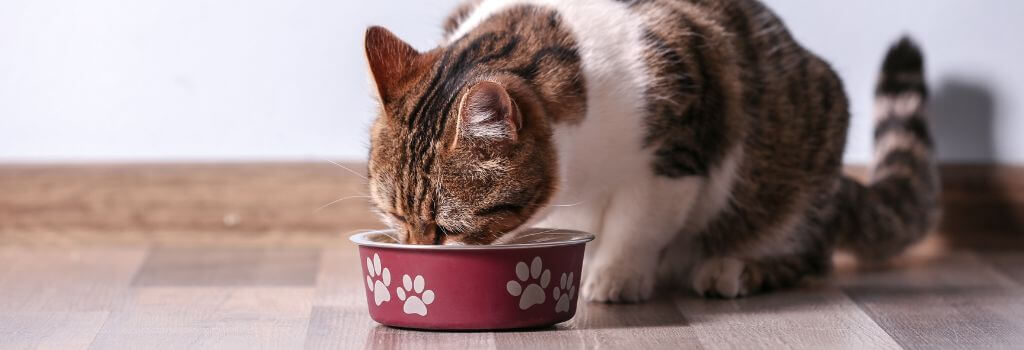
Whisker fatigue occurs when a cat’s sensitive whiskers become overstimulated. Also known as whisker stress, it often develops when their whiskers repeatedly touch the sides of their food or water bowl.
Cats’ whiskers aren’t just adorable parts of their cute little faces. Called vibrissae, these specialized hairs are deeply embedded in tissue rich with nerve endings and blood vessels. They act as sophisticated sensory tools that help cats navigate their environment and judge spaces.
When whiskers brush against a narrow or deep bowl while eating or drinking, the constant stimulation can become uncomfortable or even painful. Imagine touching a sensitive part of your body against something dozens of times during every meal. Eventually, you’d want to avoid that sensation, too!
You might notice several behaviors if your cat is experiencing whisker fatigue:
- Removing food from their bowl to eat it on the floor
- Eating only from the center of the bowl and leaving food around the edges
- Acting hungry but refusing to eat
- Appearing anxious or agitated around mealtimes
- Pawing at their face after eating
The Medical Side of Picky Eating
While whisker fatigue can certainly affect your cat’s appetite, sudden changes in eating behavior could be a sign of a serious health problem. As veterinarians, we encourage you to make an appointment right away to rule out underlying medical issues if you notice changes in your feline family member’s eating habits.
Health issues linked to inappetence in cats include:
- Dental Disease: Dental problems are a common culprit when cats refuse food. Painful teeth, inflamed gums, tooth resorption, or infections can make eating an agonizing experience. If your cat’s mouth is bothering them, they might show interest in food, approach their bowl, and then back away because chewing hurts. Some cats with dental pain will only eat soft food or tilt their head while eating to favor one side of their mouth.
- Gastrointestinal Issues: Nausea, acid reflux, inflammatory bowel disease, or stomach upset can make cats reluctant to eat. Unlike dogs, who often continue eating despite mild stomach discomfort, cats are more like humans in this regard and tend to be more cautious about eating when they feel unwell. Vomiting, diarrhea, or signs of abdominal discomfort paired with decreased appetite often point to gastrointestinal problems.
- Upper Respiratory Infections: Your cat’s sense of smell plays a major role in stimulating their appetite. When congestion from an upper respiratory infection blocks their nasal passages, food becomes far less appealing. If your cat has a respiratory infection, they might their food but show no interest in eating it.
- Kidney Disease: Many older cats develop chronic kidney disease, and a decreased appetite is a common symptom. As kidney function declines, toxins build up in the bloodstream, often leading to nausea and a general feeling of unwellness that suppresses hunger.
Behavioral and Environmental Factors
Several behavioral and environmental factors can also turn your cat into a selective eater, including:
- Food Bowl Location and Cleanliness: Cats are fastidious by nature. Because of this, many refuse to eat from dirty food bowls or dishes placed near litter boxes. Some cats also prefer quiet, low-traffic areas where they can feel safe and undisturbed during mealtimes.
- Competition and Stress: In multi-cat households, one cat may guard food resources or bully housemates around feeding areas. This behavior can cause other cats to eat less or avoid their bowl entirely. Changes in your usual household routine, new pets, visitors, or other stressors can also impact appetite.
- Food Temperature and Texture: Many cats prefer food at served room temperature or slightly warmed, which enhances the aroma and makes it more palatable. Some also develop strong preferences for specific textures — pate, chunks, shredded, or dry kibble — and refuse anything that doesn’t match their preferred consistency.
When Food Quality Matters
Sometimes, the food itself is to blame for picky eating. Rancid fats in old kibble, spoiled wet food, and even recipe changes in once-loved foods can all cause cats to turn up their noses. Some cats just don’t like certain flavors or don’t feel well after eating certain foods. Much like us, they can develop preferences that reflect their individual tastes and food tolerances.
Generic and low-quality foods often contain fillers, artificial flavors, or inconsistent ingredient ratios that don’t appeal to cats. While some cats happily eat anything, others might require a higher-quality, protein-rich diet. Each cat is an individual with their own needs and preferences.
Practical Solutions for Picky Eaters
Choose the Right Bowl
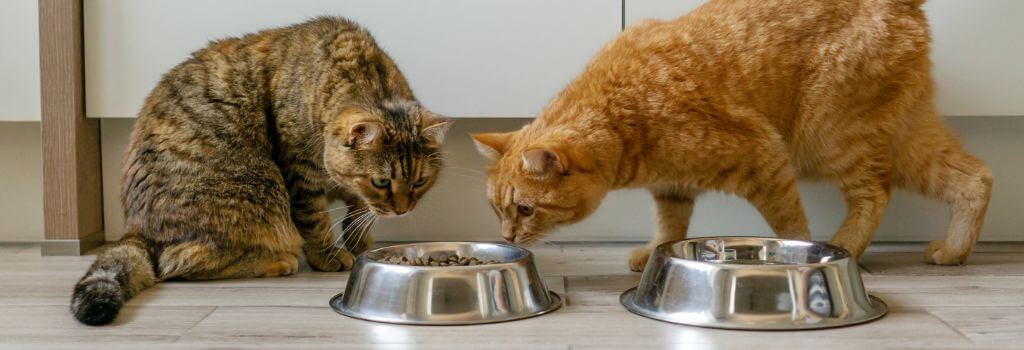
Skip the tiny bowls and stick to wide, shallow ones that let your cat eat without their whiskers touching the sides. Ceramic or stainless steel bowls are your safest bet. They’re non-porous, easy to clean, and unlike plastic bowls, they don’t cause feline acne.
Keep It Fresh
Wash food (and water) bowls every day in hot, soapy water. Instead of keeping it in the bag, store dry kibble in airtight containers to keep it from going stale. Discard uneaten wet food after 30 minutes, especially in warm weather.
Maintain a Calm Feeding Environment
Place food bowls in quiet areas away from litter boxes, loud appliances, and heavy foot traffic. If you have more than one cat, provide multiple feeding stations to reduce competition and stress.
Experiment with Temperature and Presentation
Warm wet food slightly to enhance its aroma, and try different textures or proteins to learn your cat’s preferences. Some cats enjoy variety, while others prefer consistency. You’ll need to experiment to determine which type you have.
Establish a Feeding Routine
Regular meal times help regulate appetite and make it easier for you to keep an eye on your cat’s eating habits. Rather than leaving food out all day (free feeding), offer meals at the same time every day.
When to Seek Veterinary Care
When cats refuse to eat, severe complications can develop within just a few days. Skipping a meal on rare occasions is unlikely a cause for major concern, but there are certain situations in which you should seek prompt veterinary care.
Contact your veterinarian if your cat:
- Hasn’t eaten for 24 hours or more
- Shows rapid weight loss
- Exhibits signs of pain while eating
- Has additional symptoms like vomiting, diarrhea, or lethargy
- Suddenly changes their eating habits without an obvious cause
Seek immediate care for young kittens, seniors, and cats with existing health conditions, as they are more vulnerable to complications from not eating.
Wrapping Up
Picky eating might seem like a minor inconvenience, but it could be a sign of a serious underlying problem. What appears to be simple selectiveness might actually be your cat’s way of telling you something is wrong. If you’re concerned about your cat’s eating habits, we’ll perform a thorough examination, run diagnostic tests if needed, and help you determine whether whisker fatigue, medical issues, or behavioral factors are affecting your cat’s appetite. Schedule an appointment today to keep your feline friend healthy and well-nourished.
If you have questions and you'd like to reach out to us, you can call us directly at (978) 658-6500, or you can email us at [email protected] . Don't forget to follow us on social media Facebook, Instagram.